Year in Review 2025
2025 was a year of building. Not just features — but foundations. We shipped five minor releases, resolved over 200 issues, and delivered the most requested feature in Vendure's history: the React-based Admin Dashboard.
Behind the scenes, Elevantiq grew to over 15 full-time team members and invested the equivalent of €800,000 in development time directly into Vendure. Rather than selling these hours as services, we put them back into the project. This is what sustainable open source looks like.
Here's what we accomplished together.
By the Numbers
| Metric | January 2025 | December 2025 |
|---|---|---|
| GitHub stars | ~5,800 | ~7,000 |
| Monthly npm downloads | 18,000 | 40,000 |
| Discord members | 1,800 | 2,400 |
- Total npm downloads since launch: ~1 million
- PRs merged: 400
- New contributors: 50
What We Shipped
2025 brought five minor releases (v3.2 through v3.6) and over 20 patch releases. Each version moved Vendure forward in meaningful ways — from modernizing our dependency stack to introducing entirely new capabilities that developers have been requesting for years.
v3.2 — Modern Foundations
We updated all major dependencies to their latest versions: NestJS, Express, TypeScript, and more. This kind of maintenance work rarely makes headlines, but it's essential. Keeping dependencies current means better security, improved performance, and compatibility with the tools teams are already using. It also reduces the friction when integrating Vendure into existing codebases that rely on recent versions of these libraries.
v3.3 — Observability and Automation
Scheduled Tasks introduced native support for recurring background jobs. Before this release, teams had to set up external cron services or build custom solutions for tasks like cleaning up abandoned carts, syncing inventory, or sending scheduled notifications. Now, these workflows are first-class citizens in Vendure — configurable, monitorable, and integrated with the rest of your application.
OpenTelemetry support landed in the same release. As Vendure deployments grow in complexity, observability becomes critical. With OpenTelemetry, teams get distributed tracing, metrics collection, and standardized instrumentation that plugs into the monitoring tools they're already using — whether that's Jaeger, Datadog, or any other compatible backend.
v3.4 — Developer Experience
The CLI gained a non-interactive mode, a seemingly small addition with significant impact. Developers can now script Vendure CLI commands in CI/CD pipelines, automate project scaffolding, and integrate Vendure into their existing toolchains without manual intervention. This matters especially for teams managing multiple Vendure instances or automating deployment workflows.
We also introduced the Settings Store, a flexible key-value system for runtime configuration. Instead of redeploying to change a setting, teams can now update configuration on the fly. This is particularly useful for feature flags, A/B testing parameters, or any configuration that needs to change without a full deployment cycle.
v3.5 — The Big One
This release deserves its own section.
The React Admin Dashboard
The Admin Dashboard rewrite was our most ambitious project to date. After months of development, v3.5 shipped the new React-based Admin Dashboard** as stable** — and the response has exceeded our expectations.
Since launch, the React Dashboard package has accumulated close to 40,000 downloads, with adoption rates roughly doubling every month. This rapid uptake tells us the community was ready for this change.
Why React?
The decision to move from Angular wasn't about one framework being better than another. It was about alignment. Most teams building on Vendure use React-based stacks in their storefronts. Having Angular in the admin created unnecessary friction — not because of component sharing, but because of mental models.
When your storefront team thinks in React patterns — hooks, functional components, state management conventions — switching to Angular for admin customizations means context-switching. Different paradigms, different lifecycle concepts, different ways of solving the same problems. This cognitive overhead slows teams down and creates barriers to building truly custom commerce solutions.
Now, the entire stack speaks the same language. The same mental models apply whether you're building a product detail page or a custom admin widget. The same patterns for data fetching, state management, and component composition work everywhere. This consistency makes Vendure a true full-stack platform.
More Than a Port
The React Dashboard isn't a line-by-line translation of the Angular version. We rebuilt it from the ground up with modern patterns, improved performance, and better extensibility. Custom UI extensions are easier to build. The developer experience is smoother. And because it's React, the pool of developers who can contribute to admin customizations is significantly larger.
If you haven't migrated yet, now is the time. The documentation covers the transition path, and the community in Discord is ready to help.
Investing in Open Source
Open source sustainability is one of the hardest problems in software. Projects either burn out their maintainers, pivot to restrictive licenses that alienate their communities, or slowly fade into maintenance mode. We're committed to a different path.
In 2025, Elevantiq contributed the equivalent of €800,000 in engineering time to Vendure. This figure represents hours that could have been sold as consulting and implementation services — work that companies would happily pay for. Instead, we invested those hours directly into the core project.
This investment shows up everywhere: in the React Dashboard rewrite, in the countless bug fixes across 20+ patch releases, in the documentation improvements, and in the architectural decisions that keep Vendure flexible and extensible. Every hour we put into Vendure makes the platform better for everyone building on it.
A Growing Team
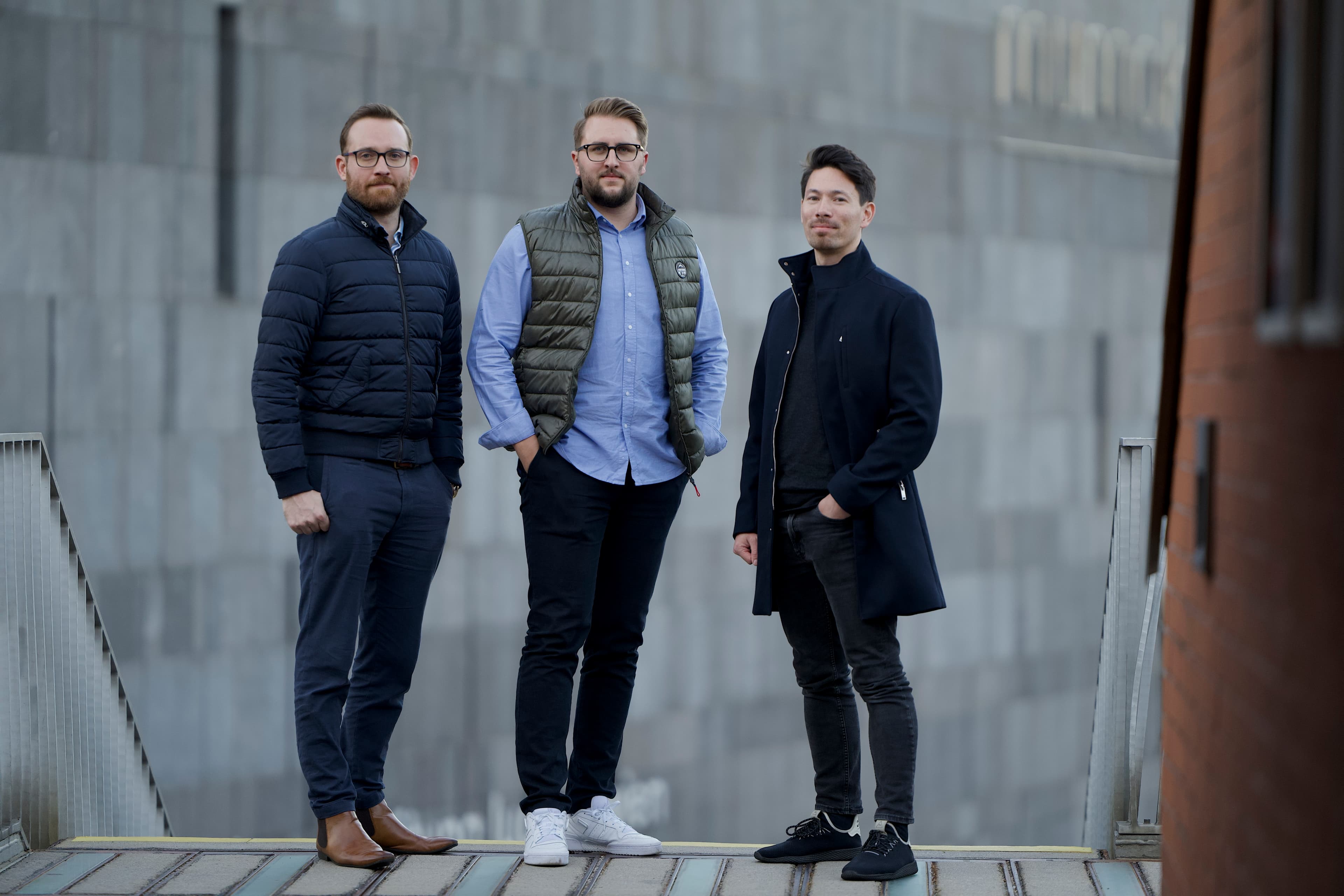
Our team grew to over 15 full-time employees in 2025, with additional hires in the pipeline. Elevantiq has become a healthy mid-seven-figure business, and that commercial success flows directly back into Vendure's development.
This is the model we believe in: a sustainable company funding sustainable open source. Our commercial offerings — consulting, implementation support, and enterprise services — generate the revenue that lets us invest heavily in the open source core. The better Vendure becomes, the more teams adopt it, and the more opportunities we have to help those teams succeed.
It's a virtuous cycle, and 2025 proved it works.
Community Growth
Vendure's community grew significantly in 2025, both in size and in maturity. Our Discord server expanded from 1,800 to 2,400 members — a 33% increase. But raw numbers only tell part of the story.
The quality of discussions has evolved alongside the growth. We're seeing more advanced architectural conversations, more teams sharing their production experiences, and more developers helping each other solve complex problems. The community is becoming self-sustaining in ways that weren't possible a year ago.
Contributions by the Numbers
62 new contributors submitted code to Vendure this year, joining a growing group of developers who are shaping the project's direction. We merged 400 pull requests — ranging from small documentation fixes to substantial new features.
Open source thrives on contributions, and we're grateful for every single one. Whether it's a typo correction or a major feature, each contribution makes Vendure better.
Spotlight: API Keys
A special mention goes to Daniel Biegler, whose API Keys feature will ship with v3.6 in early 2026. This feature enables token-based authentication for API access — essential for headless commerce scenarios, third-party integrations, and machine-to-machine communication.
This is exactly the kind of substantial community contribution that demonstrates the health of an open source project. Daniel identified a gap, proposed a solution, and worked with our team to bring it to production quality. The result benefits everyone.
Expanding into New Markets
Vendure started as a flexible alternative for teams outgrowing the limitations of Shopify, Magento, or other monolithic platforms. In 2025, we saw significant expansion into sectors that demand far more than basic e-commerce functionality:
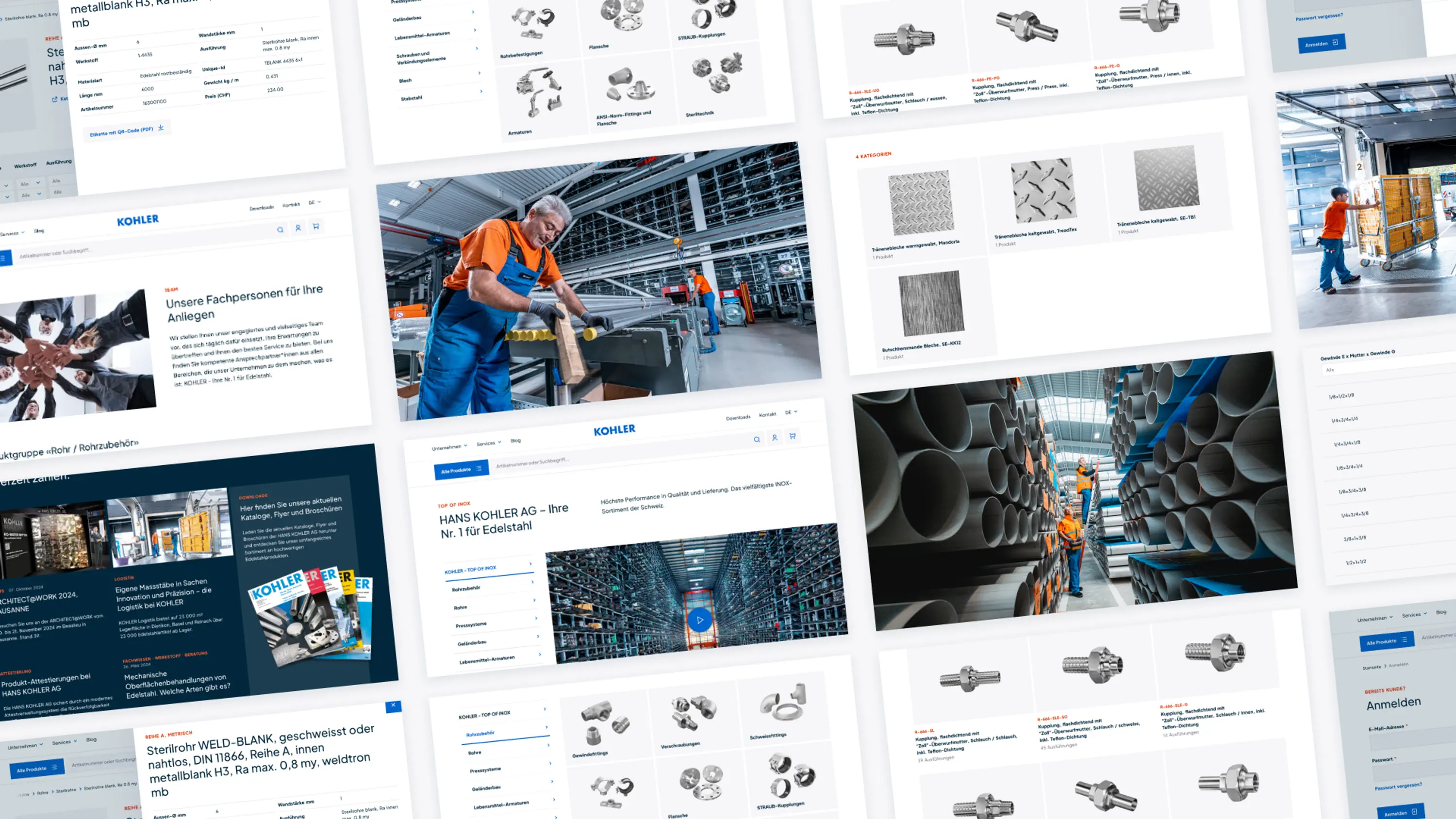
- B2B manufacturing — complex product configurations, custom pricing per account, and integration with ERP systems
- Enterprise retail — high-volume catalogs, multi-channel inventory, and sophisticated promotion engines
- Enterprise wholesale — tiered pricing, approval workflows, and bulk ordering capabilities
These aren't simple use cases. They require deep customization, complex business logic, and integrations that most commerce platforms simply can't handle. The fact that teams are choosing Vendure for these scenarios validates the architectural decisions we made years ago.
Flexibility isn't just a feature — it's the foundation. When we designed Vendure to be headless, extensible, and developer-first, we were betting that teams would need to build commerce experiences that don't fit into predefined templates. That bet is paying off.
A Fresh Face
We completely relaunched the Vendure website this year. The previous site served us well, but it no longer reflected where the project is today — mature, production-ready, and backed by a growing company with a clear vision.
The new site better communicates what Vendure is and who it's for. If you haven't visited recently, take a look around.
Looking Ahead
v3.6 arrives in early 2026, bringing API Keys and continued refinements to the platform. But the bigger news is what comes after.
We've spent the past months defining a new five-year strategy for Vendure. While we'll share the full details soon, here's where we're heading:
One brand, full focus. We're simplifying. Everything we do will rally around Vendure — clearer positioning, clearer purpose, clearer value for the teams building on the platform.
A thriving ecosystem. Vendure's flexibility is its strength, but flexibility alone isn't enough. We're investing in the plugins, integrations, and tooling that help teams move faster. Expect more first-party packages and better support for community-built extensions.
Partners who deliver. Great software needs great implementation partners. We're establishing a formal partner program to connect teams with agencies and consultants who know Vendure deeply. If you're building Vendure solutions for clients, we want to work with you.
Enterprise-ready. Vendure already powers demanding enterprise workloads. Now we're building the products to match — enterprise features, enterprise support, and managed cloud hosting that removes operational complexity entirely.
These pillars aren't a departure from what made Vendure successful. They're a doubling down. The extensibility, the developer experience, the transparency — these remain at the core. We're simply building the structure around them that lets Vendure reach its full potential.
2025 was a year of building foundations. 2026 is the year we build on them.
Thank You
Thank you to everyone who built with Vendure this year. Whether you contributed code, answered questions in Discord, wrote about your experience, or simply chose Vendure for your next project — you're part of this.
2025 was a year of building foundations. 2026 will be a year of building on them.
Here's to what's next.
Share this article
Worth reading, once a month
Product updates, customer stories, and engineering thinking, delivered monthly.